
Why Private Label Your Automotive Fluids?
Automotive dealers and service centers are under constant pressure to grow revenue without raising costs. One of the most effective — and often overlooked — ways to do that is by private labeling the fluids and chemicals you already sell every day: brake fluid, coolant, engine treatments, power steering fluid, HVAC products, and more. Instead of pushing a national brand and earning a thin markup, you put your own name on the bottle and keep the profit that would otherwise go to a third-party manufacturer.
Higher Profit Margins
When you sell a national brand, you’re paying for someone else’s marketing, packaging, and reputation — and splitting the margin accordingly. Private label fluids cut out that overhead. You’re buying at a manufacturing cost and setting your own retail price, which typically means significantly better margins on products your customers are already buying.
Build Brand Loyalty, Not Someone Else’s
Every bottle of national-brand fluid that leaves your shop is a missed opportunity to reinforce your own name. When your fluids carry your logo, your customers associate quality service with your brand — not the manufacturer’s. That repeat visibility builds trust and keeps customers coming back to you specifically, rather than shopping around for the same fluid at a lower price elsewhere.
Full Control Over Pricing and Positioning
National brands come with suggested pricing, competitor comparisons, and little room to differentiate. Private labeling puts you in control: you decide the price point, the packaging, and how the product is positioned — whether that’s a premium line or a value-tier option.
Faster, More Flexible Product Launches
Big brands move slowly. Private label partners can formulate, package, and ship new products much faster, letting you respond to customer demand or seasonal needs (like HVAC treatments in summer or coolant in winter) without waiting on a manufacturer’s release calendar.
Reduce Reliance on Outside Suppliers
Private labeling means you’re not at the mercy of a single national brand’s pricing changes, shortages, or distribution issues. You gain a direct relationship with a manufacturer built around your specific volume and needs.
Expand Your Product Line Easily
Once you have a private label partner in place, adding new categories — batteries, differential fluids, diesel treatments — is far simpler than negotiating new brand agreements one at a time.
A Stronger Long-Term Business
Ultimately, private labeling turns a routine transaction (selling fluid) into a brand-building opportunity. It increases margin, deepens customer loyalty, and gives you control over your own product line — all without the overhead of building a manufacturing operation yourself.
Dealer Private Label specializes in producing high-quality automotive fluids under private label for dealers and service centers ready to convert routine sales into long-term brand value.
What is Private Labeling?
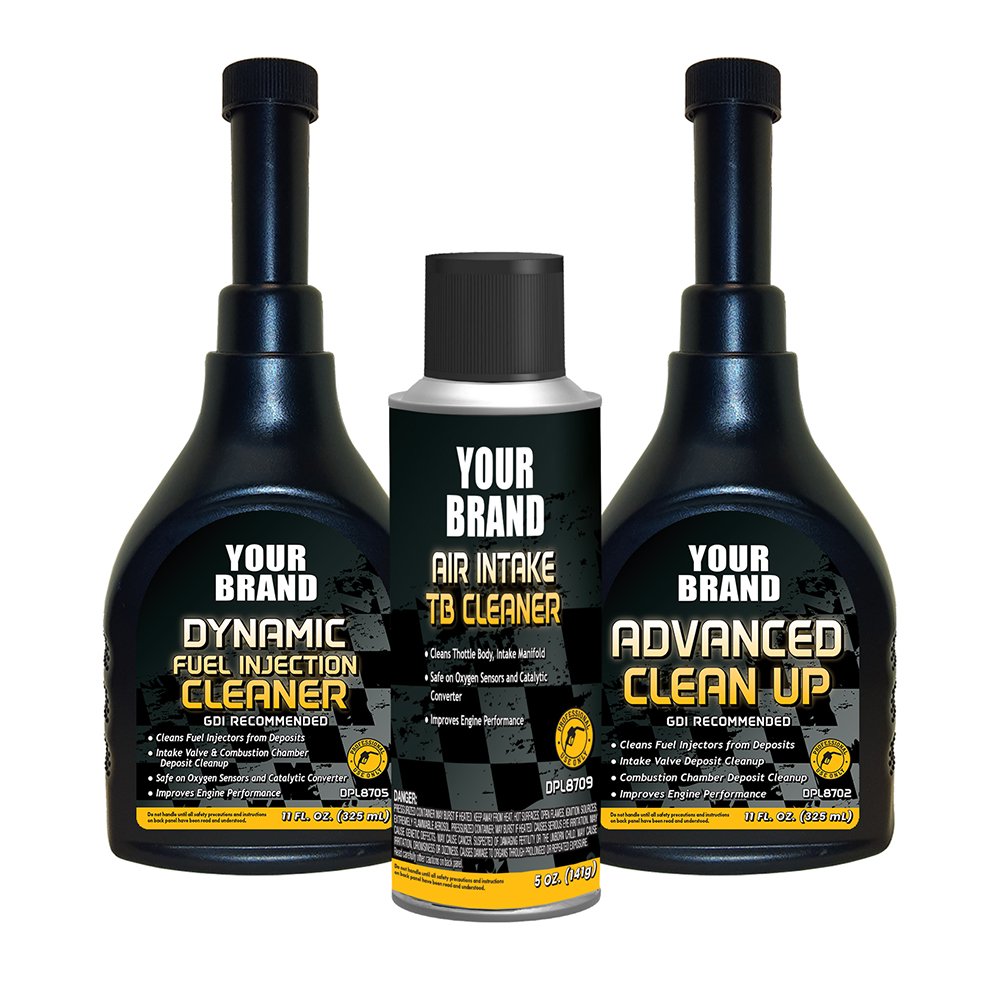
Private label refers to products produced by one company but sold under another company’s brand. Essentially, a business partners with a third-party manufacture (known as a private label supplier or contract manufacture), to produce goods that are branded and marketed as their own.
With private labeling, companies can develop a unique brand identity by customizing the product’s packaging, labeling, and formulation according to their specific needs.
Historically, private label products were seen as more affordable alternatives to well-known national or global brands. However, this perception has shifted, and many private label lines are now positioned as high-quality or premium offerings that compete directly with top-tier brands. This shift has fueled significant growth in the private label market, benefiting both businesses and consumers.
Why Private Labeling Is Rapidly Growing
Several key factors are contributing to the accelerating expansion of private label products:
- Attractive benefits for brand owners, including greater control and profitability.
- Consumers enjoy quality at a lower price than name brands.
- Business consolidation and scaling make private labeling more accessible.
- The rise of e-commerce has made it easier for private labels to reach target audiences.
- Perception has improved, with private labels often seen on par with international brands but at a better value.
- Smaller and niche brands are often more agile, allowing them to lead innovation and bring new ideas to market faster.
- During times of economic uncertainty, consumers tend to choose more cost-effective options, and often continue to prefer these choices after the economy improves.
- Emerging markets present new opportunities to build competitive and profitable private label portfolios.
- Millennials, with growing purchasing power, tend to value quality and price over traditional brand loyalty, fueling private label growth.
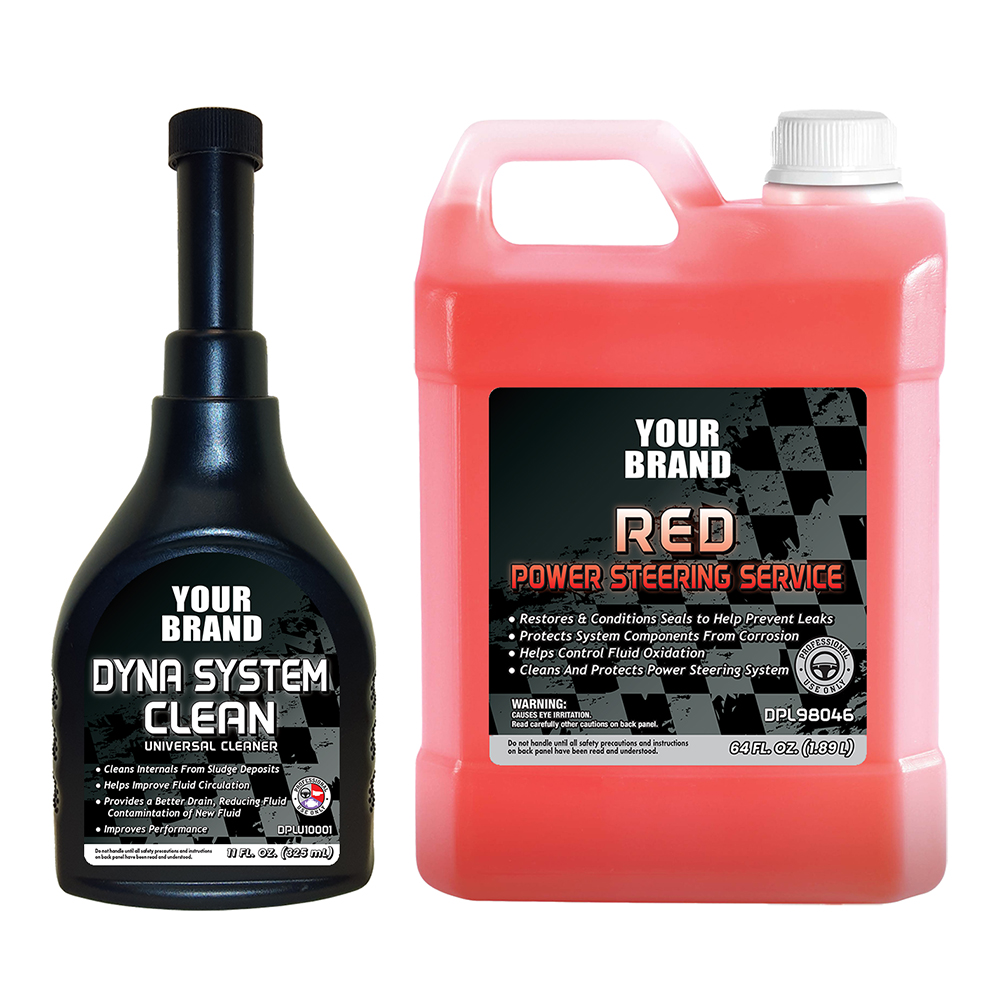
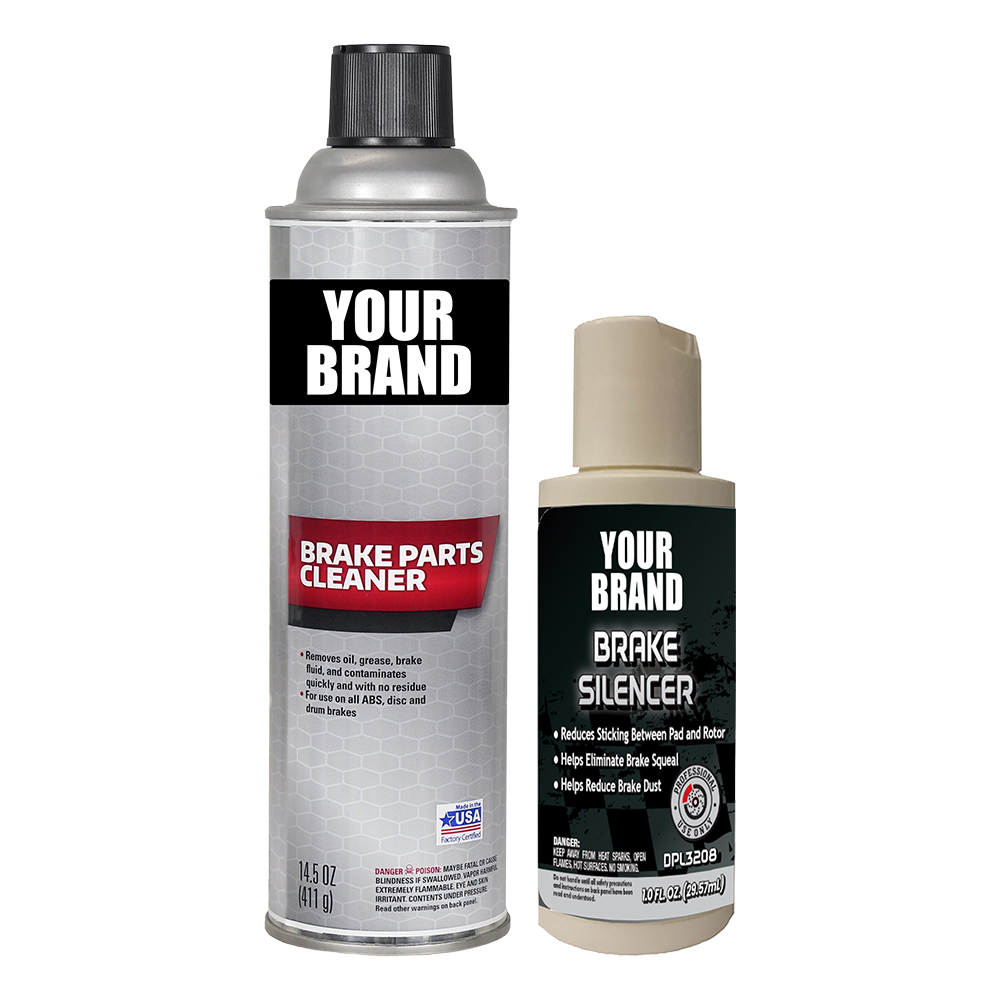
Benefits of Private Labeling

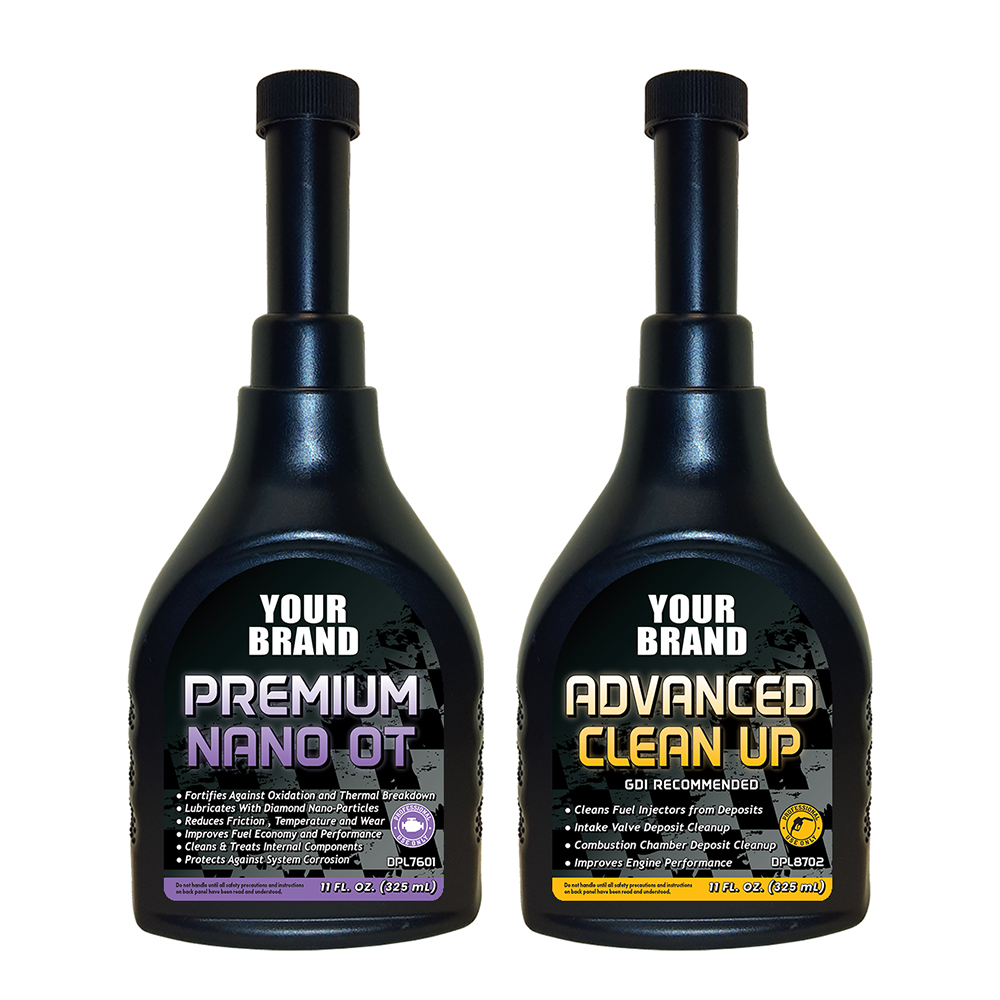
Launching a private label brand provides several advantages over distributing established brands:
- Higher profit margins
- Pricing autonomy
- Complete control over brand strategy and market positioning
- Faster turnaround for new and innovative product launches
- Reduced market dominance by major brand names
- Stronger customer loyalty and retention
- Less reliance on external suppliers
- Expanded opportunities for sales growth
- The ability to diversify product offerings
- Enhanced brand image and recognition
- Marketing investments directly benefit your brand, not a third party
Dealer Private Label specializes in producing automotive products under private label models, offering an ideal partnership for businesses ready to capitalize on these benefits quickly and effectively.
Ready to Reclaim Control?
Convert Payments to Profits!
We will customize a program that works for your store, your goals, and your customers.